

HVAC Replacement: Complete Guide for Homeowners
- dmaling9
- Mar 7
- 9 min read
Updated: 4 days ago

Your home's heating and cooling system works hard every single day, and like any major appliance, it eventually reaches the end of its useful life. HVAC replacement refers to the process of removing your existing heating, ventilation, and air conditioning equipment and installing a new, modern system in its place. Whether you're dealing with a failing furnace, an aging air conditioner, or an entire system on its last legs, understanding when and how to replace your HVAC system can save you thousands of dollars and countless headaches.
Many homeowners face a difficult decision: repair the system they have or invest in a full replacement. While repairs can be a smart short-term fix, there comes a point when pouring money into an old system no longer makes financial sense. A new HVAC system not only restores reliable comfort to your home but also delivers significant improvements in energy efficiency, indoor air quality, and long-term reliability.
This guide walks you through everything you need to know about HVAC replacement from recognizing the warning signs that your system is failing, to understanding costs, choosing the right equipment, and finding a qualified contractor. By the end, you'll be equipped to make a confident, informed decision about your home's comfort system.

What Is HVAC Replacement?
HVAC replacement is the process of removing one or more components of your home's heating, ventilation, and air conditioning system and installing new equipment. In many cases, this involves replacing the entire system at once including the furnace or air handler, the air conditioner or heat pump, the thermostat, and sometimes the ductwork. In other situations, only a single component, such as the outdoor condenser unit, may need to be swapped out.
A full HVAC system replacement typically includes the furnace, which heats your home during cold months; the air conditioner or heat pump, which manages cooling and, in the case of heat pumps, heating as well; the air handler, which circulates conditioned air throughout the duct system; and the thermostat, which controls the overall system. Some projects also include new ductwork if the existing ducts are damaged, undersized, or heavily contaminated.
While partial replacement such as installing just a new AC unit can be appropriate in some cases, there are distinct advantages to replacing the entire system at once. Mismatched equipment can reduce efficiency and performance, and coordinating the installation of all components together ensures optimal compatibility, warranty coverage, and long-term reliability.
Signs You Need an HVAC Replacement
Knowing when to replace rather than repair your HVAC system is one of the most important decisions a homeowner can make. Here are the most common warning signs that a full replacement may be the right move.
Frequent HVAC Repairs
If your system seems to break down every season, or if you're calling for repairs multiple times a year, that's a strong signal that the equipment is nearing the end of its life. Components wear out, refrigerant lines develop leaks, and electrical parts fail. When repair calls become routine, the cumulative cost quickly adds up often exceeding what a new system would cost over the same period. A good rule of thumb: if you've needed two or more significant repairs within the last two years, replacement deserves serious consideration.
Rising Energy Bills
An aging HVAC system has to work harder to maintain comfortable temperatures, and that extra effort shows up on your utility bill. If your energy costs have been climbing year over year without a clear explanation no new appliances, no change in usage habits your HVAC system is likely the culprit. Older systems operate at significantly lower efficiency ratings than today's equipment, meaning they consume more electricity or gas to deliver the same amount of heating and cooling.
Uneven Heating or Cooling
When some rooms in your home feel like a sauna while others stay stubbornly cold, your HVAC system may be struggling to distribute conditioned air evenly. This can result from a failing blower motor, a system that's no longer properly sized for your home, or deteriorating ductwork. While some uneven comfort issues can be resolved with targeted repairs, widespread inconsistency is often a sign that the system has lost its capacity to perform.
HVAC System Over 10 to 15 Years Old
The average lifespan of a well-maintained HVAC system is between 10 and 15 years for air conditioners and up to 20 years for furnaces. Once your system passes that threshold, its efficiency declines, repair parts become harder to source, and the risk of unexpected failure increases. Even if the system is technically still running, operating aging equipment comes with diminishing returns both in performance and cost savings.
Strange Noises or Odors
Unusual sounds such as banging, rattling, grinding, or squealing is your system's way of signaling mechanical distress. These noises can indicate loose components, failing bearings, or problems with the blower motor or compressor. Equally concerning are unusual odors: a burning smell may point to electrical issues or overheating components, while a musty odor could indicate mold growth inside the unit or ductwork. Both scenarios warrant immediate attention from a qualified technician.
Repair vs HVAC Replacement: Which Is the Better Option?
The decision between repairing your current system and investing in a full replacement isn't always straightforward. Several factors come into play and weighing them carefully can help you make the most financially sound choice.
Energy Efficiency Considerations
Today's HVAC systems are dramatically more efficient than equipment manufactured even a decade ago. Modern central air conditioners carry SEER (Seasonal Energy Efficiency Ratio) ratings of 16 or higher, compared to 8 to 10 for older models. Upgrading to high-efficiency equipment can reduce your annual heating and cooling costs by 20 to 40 percent, which means the new system pays for itself over time through energy savings alone.
Long-Term Reliability
Beyond the immediate repair cost, consider what you're buying with each service call on an aging system: a temporary fix on equipment that will likely need attention again soon. A new HVAC system comes with manufacturer warranties on parts and equipment, along with labor guarantees from your installer. That peace of mind knowing your system is covered and unlikely to fail unexpectedly has real value for homeowners.
Types of Systems Available for HVAC Replacement
Choosing the right type of HVAC system for your home depends on your climate, existing infrastructure, energy goals, and budget. Here's an overview of the most common options.
Central Air Conditioning Systems
Central air conditioning paired with a gas furnace remains the most popular configuration for whole-home comfort in the United States. This split system uses an outdoor condenser unit and an indoor air handler or furnace to deliver cooled and heated air through ductwork. It's an ideal choice for homes that already have ducts in place and are in climates with hot summers and cold winters.
Heat Pump Systems
Heat pumps are highly efficient systems that provide both heating and cooling by transferring heat rather than generating it. During summer, a heat pump operates like a standard air conditioner, removing heat from your home. In winter, it reverses the process, extracting heat from outdoor air and bringing it inside. Modern cold-climate heat pumps perform effectively even in freezing temperatures, making them an excellent energy-efficient option for a wide range of climates.
Ductless Mini-Split Systems
For homes without existing ductwork such as older homes, additions, or detached garages ductless mini-split systems offer a flexible and efficient solution. These systems consist of an outdoor compressor unit connected to one or more indoor air handlers mounted on walls or ceilings. Each zone can be controlled independently, allowing for personalized comfort and significant energy savings compared to heating or cooling the entire home uniformly.
Hybrid HVAC Systems
A hybrid system combines an electric heat pump with a gas furnace, offering the best of both technologies. The heat pump handles heating during mild weather, when it operates most efficiently, while the furnace kicks in during colder temperatures when gas combustion becomes more cost-effective. For homeowners in climates with wide temperature swings, a hybrid system can deliver excellent comfort with optimal energy efficiency year-round.
Benefits of HVAC Replacement
Investing in a new HVAC system delivers advantages that extend well beyond simply having reliable heat and air conditioning.
Improved Energy Efficiency
Modern HVAC equipment operates at significantly higher efficiency levels than systems manufactured just 10 to 15 years ago. High-efficiency models can cut your monthly heating and cooling costs by 20 to 40 percent, providing meaningful savings that compound over the life of the system. Many new systems also qualify for utility rebates and federal tax credits, further reducing the net cost of the upgrade.
Better Indoor Air Quality
Today's HVAC systems incorporate advanced filtration technology that removes airborne particulates, allergens, and contaminants more effectively than older equipment. Some systems also integrate humidity control, UV air purification, and ventilation features that bring fresh outdoor air into the home. The result is a healthier indoor environment, particularly important for households with allergy sufferers or respiratory sensitivities.
Consistent Home Comfort
A properly sized and installed new system delivers even, consistent temperatures throughout your home. Variable-speed air handlers, two-stage compressors, and smart thermostats work together to maintain precise temperature control, eliminating the hot and cold spots that often develop as older systems lose their capacity to perform efficiently.
Reduced Repair Costs
New HVAC equipment comes backed by manufacturer warranties that typically cover parts for 5 to 10 years, and many installers offer labor warranties as well. With a new system, you can expect years of trouble-free operation with minimal maintenance costs beyond routine filter changes and annual tune-ups.
Increased Home Value
A modern, high-efficiency HVAC system is a selling point that resonates with homebuyers. It signals that the home has been well-maintained and that the new owner won't face significant near-term equipment expenses. In competitive real estate markets, updated HVAC systems can meaningfully increase a home's appeal and market value.
Tips to Extend the Life of Your New HVAC System
A new HVAC system is a significant investment, and with proper care, it can deliver reliable performance for 15 to 20 years or more.
Regular HVAC Maintenance
Schedule a professional tune-up for your HVAC system at least once a year ideally in the spring for the cooling system and in the fall for the heating system. During these visits, a technician will clean components, check refrigerant levels, inspect electrical connections, lubricate moving parts, and identify any developing issues before they become costly problems.
Replace Air Filters
Replacing your air filter every one to three months is one of the simplest and most impactful things you can do to maintain your system. A clean filter ensures proper airflow, reduces strain on the blower motor, and keeps dust and debris from accumulating inside the equipment. The right replacement frequency depends on your filter type, pets in the home, and local air quality.
Keep Outdoor Units Clean
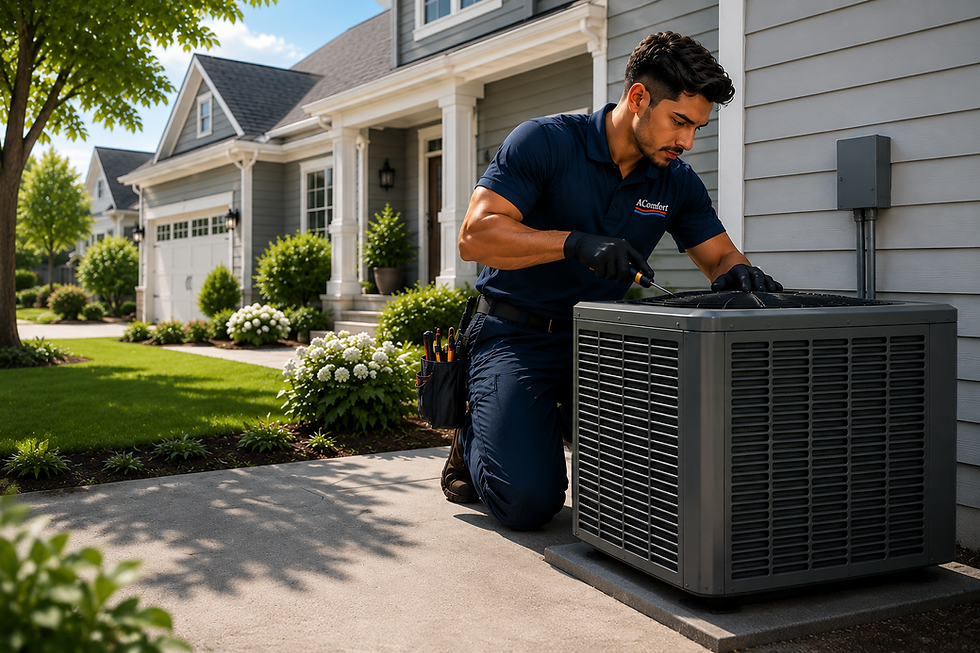
The outdoor condenser unit needs adequate airflow to operate efficiently. Keep the area around the unit clear of leaves, grass clippings, and debris. Trim any vegetation to maintain at least two feet of clearance on all sides. Periodically rinse the unit's fins with a garden hose to remove dirt and buildup that can restrict airflow and reduce efficiency.
Upgrade to a Smart Thermostat
A smart thermostat is one of the most cost-effective upgrades you can pair with a new HVAC system. These devices learn your schedule and preferences, automatically adjusting temperatures to minimize energy use when you're away or asleep. Many models provide energy reports, maintenance reminders, and remote access via smartphone, giving you greater visibility and control over your home's comfort and energy costs.
Frequently Asked Questions About HVAC Replacement
How long does HVAC replacement take?
A standard HVAC replacement typically takes one full day for an experienced installation crew. Larger homes, complex configurations, or projects that include ductwork modifications may require two or more days. Your contractor should be able to give you a realistic timeline during the estimate process.
How often should HVAC replacement happen?
Most systems need HVAC replacement every 10 to 15 years, depending on maintenance history, usage patterns, and the quality of the original installation. Systems that have been consistently maintained tend to last toward the upper end of that range, while neglected equipment may need replacement sooner.
Can I replace only the AC or furnace?
Yes, partial replacement is possible if one component is significantly newer than the other. However, replacing both the indoor and outdoor components at the same time is generally recommended because mismatched equipment can reduce efficiency, void manufacturer warranties, and create compatibility issues. Coordinating a full system replacement ensures all components work together optimally from day one.
Will HVAC replacement lower my energy bills?
Yes. New high-efficiency HVAC systems can reduce energy costs by 20 to 40 percent compared to older equipment. The actual savings depend on the efficiency rating of the new system, your local energy rates, and your home's insulation and construction. Many homeowners find that the monthly energy savings significantly offset the cost of their investment over time.
Get Professional Help With HVAC Replacement
If you need professional help with HVAC replacement, AComfort is ready to assist. Our experienced team specializes in installing high-efficiency HVAC systems designed to keep your home comfortable year-round. Whether you need a full HVAC replacement or expert guidance on choosing the right system, we are here to help.
Explore our services and learn more about how we can improve your home's comfort and energy efficiency. Our trusted professionals are committed to delivering reliable HVAC solutions tailored to your needs. Contact us today to schedule a consultation and experience the difference a professionally installed HVAC system can make.


Comments